Frequently Asked Questions
What are common exterior metalwork designs and styles?
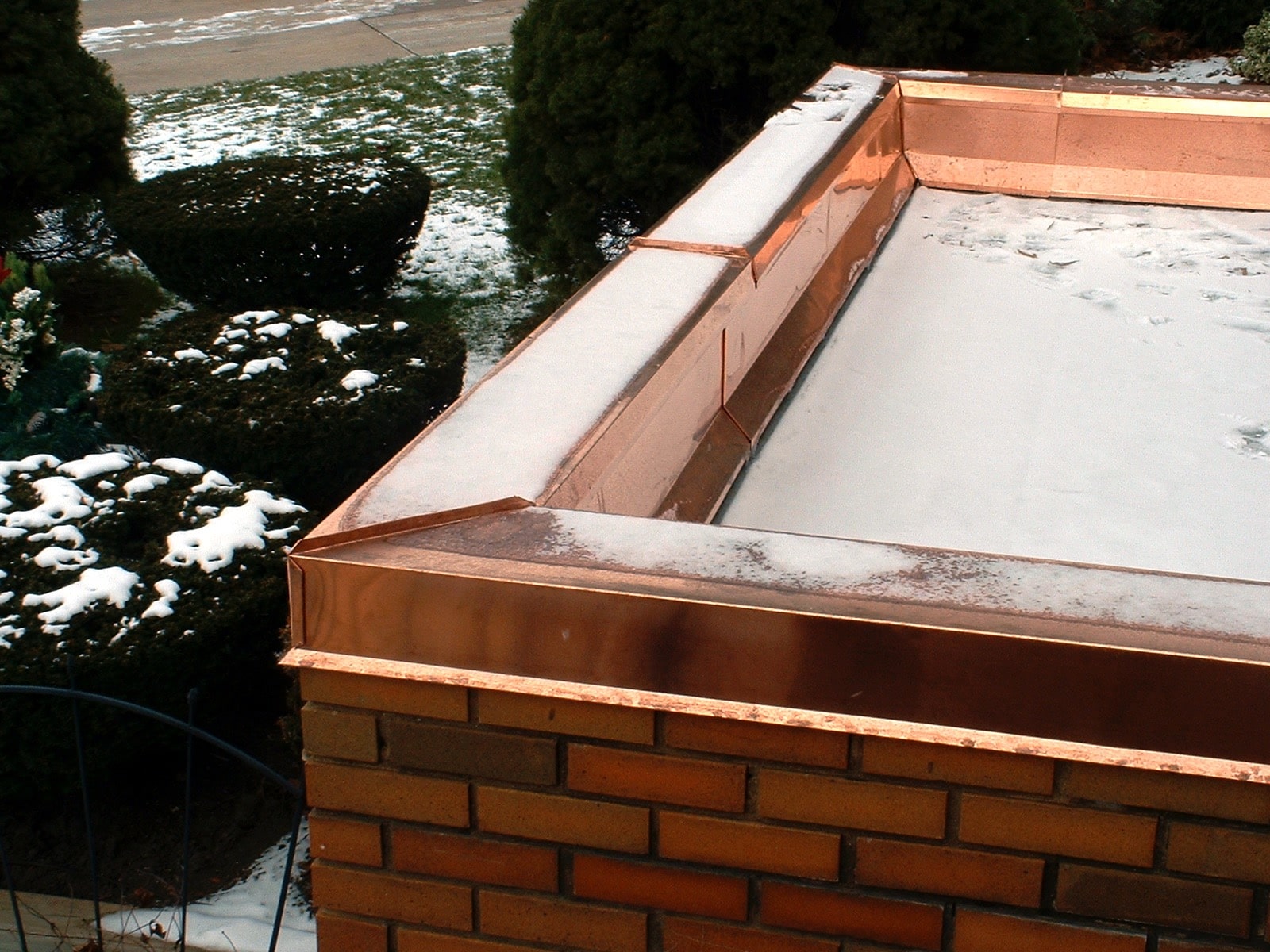
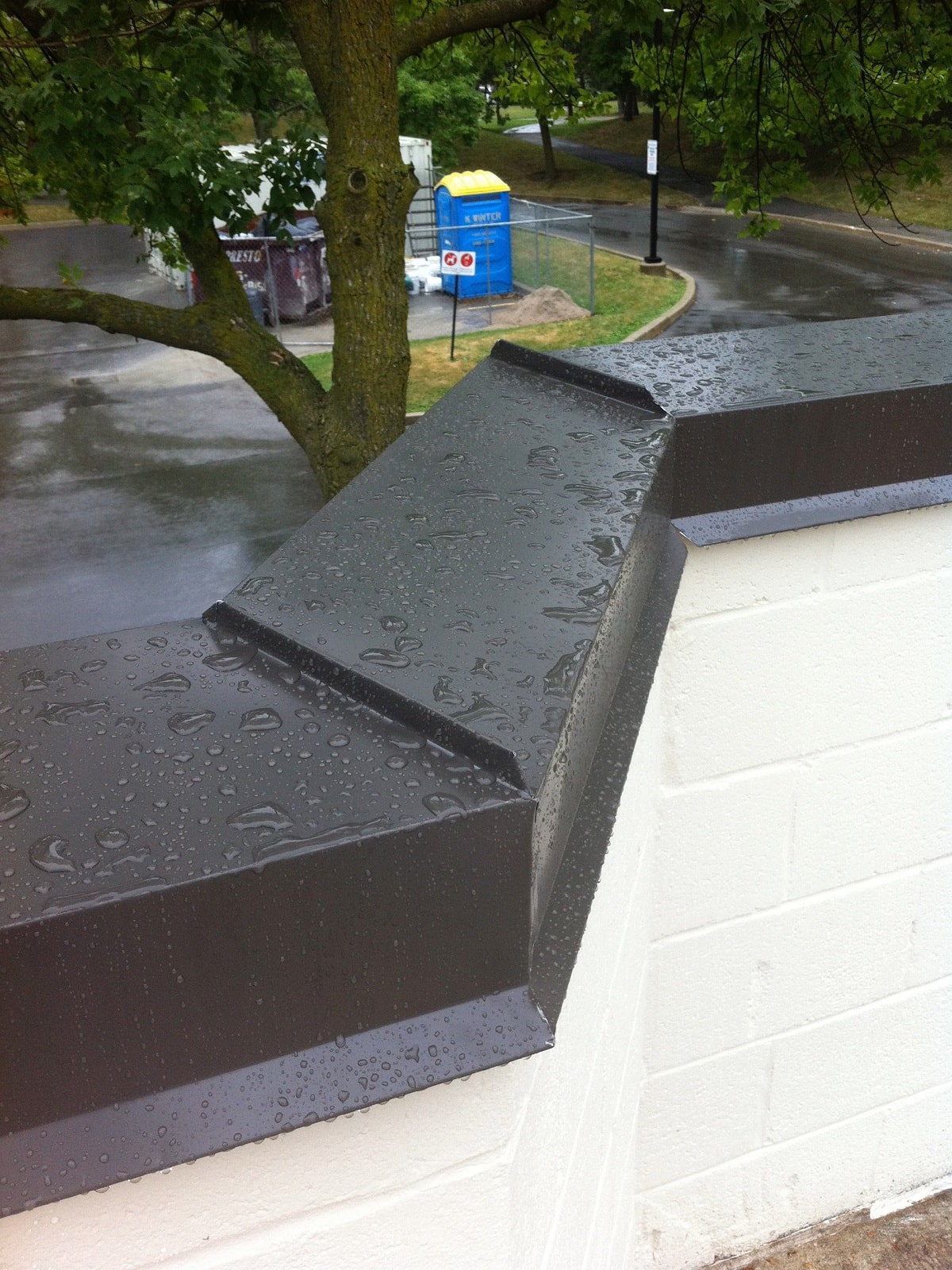
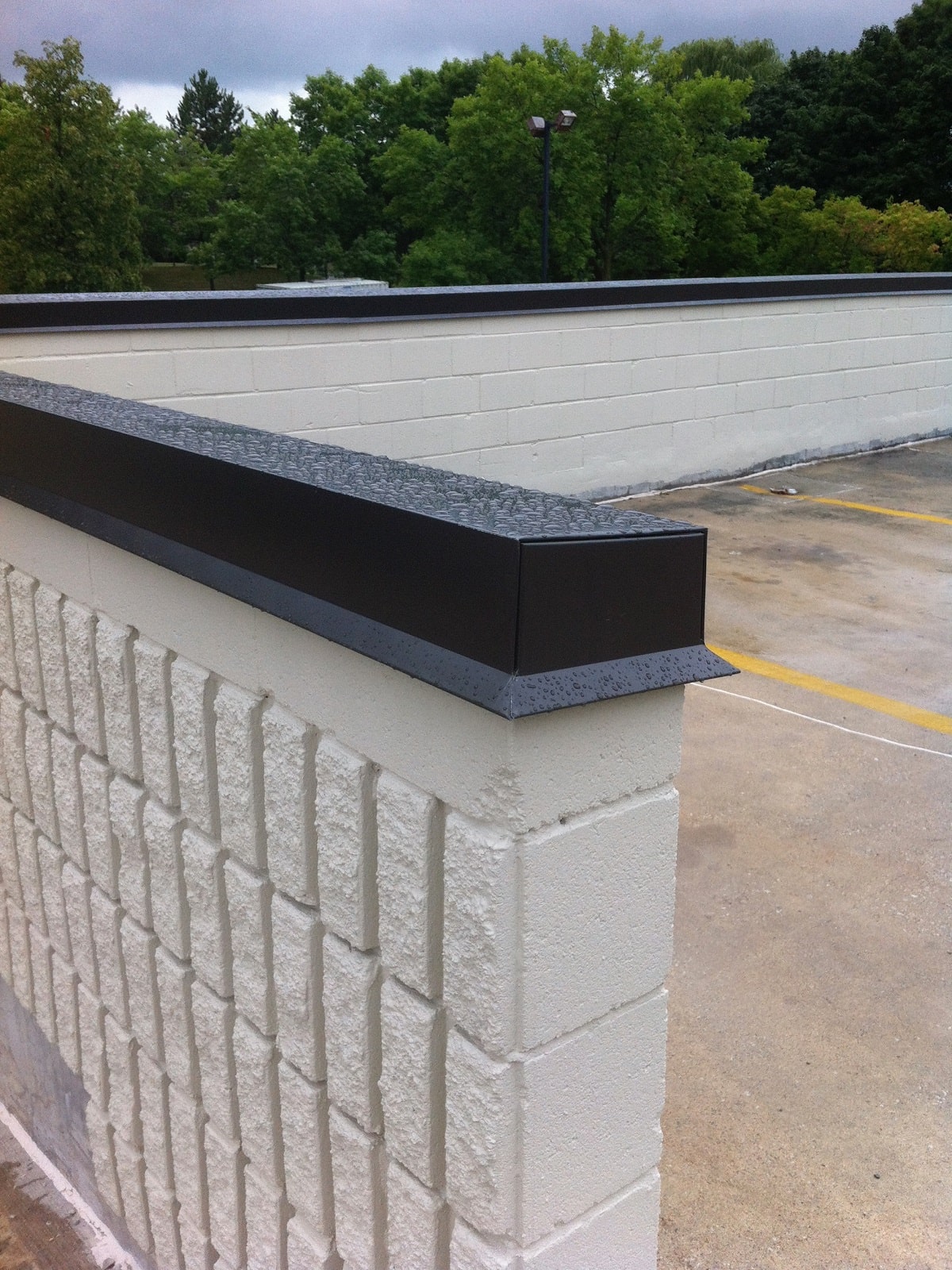
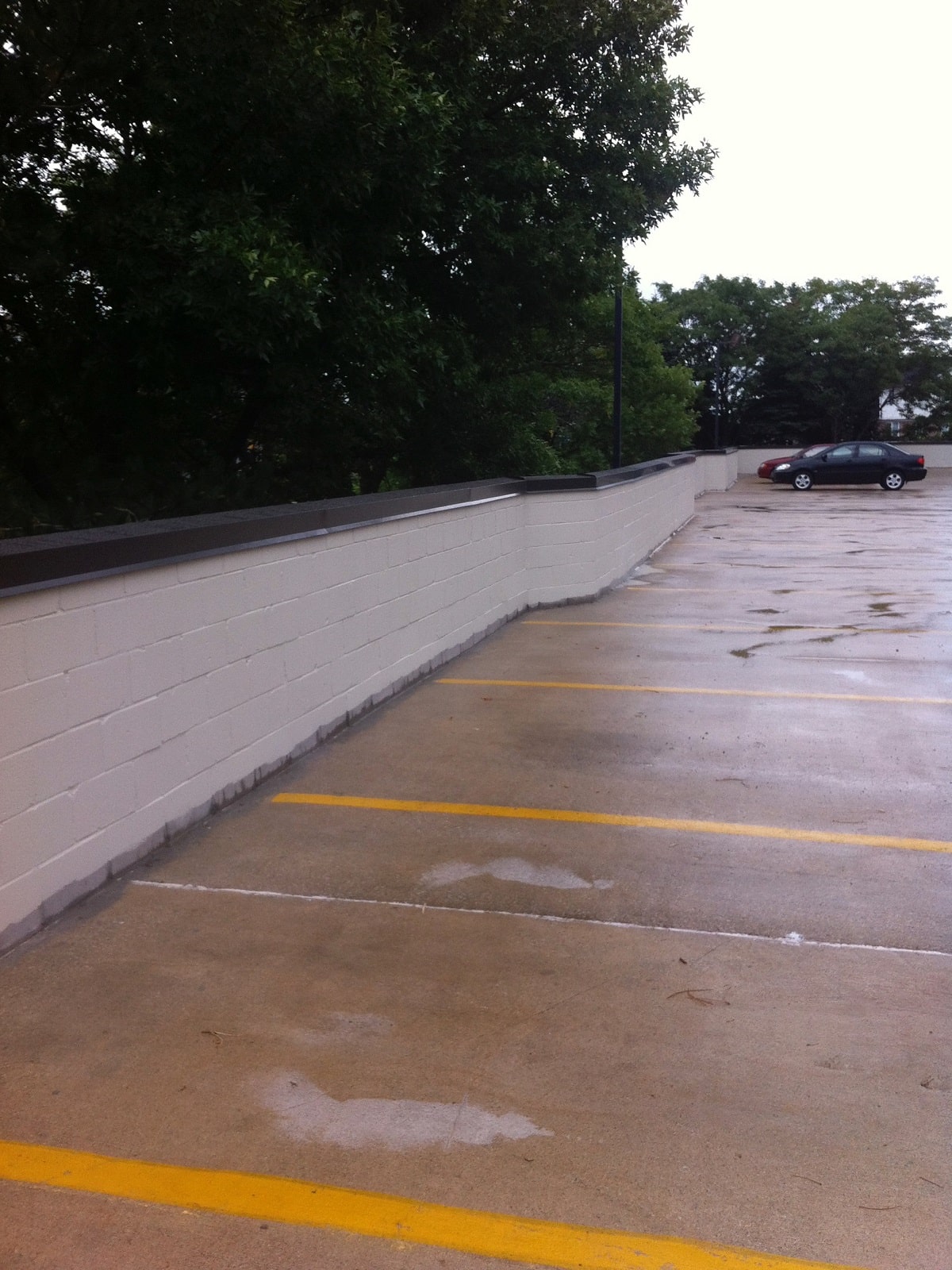
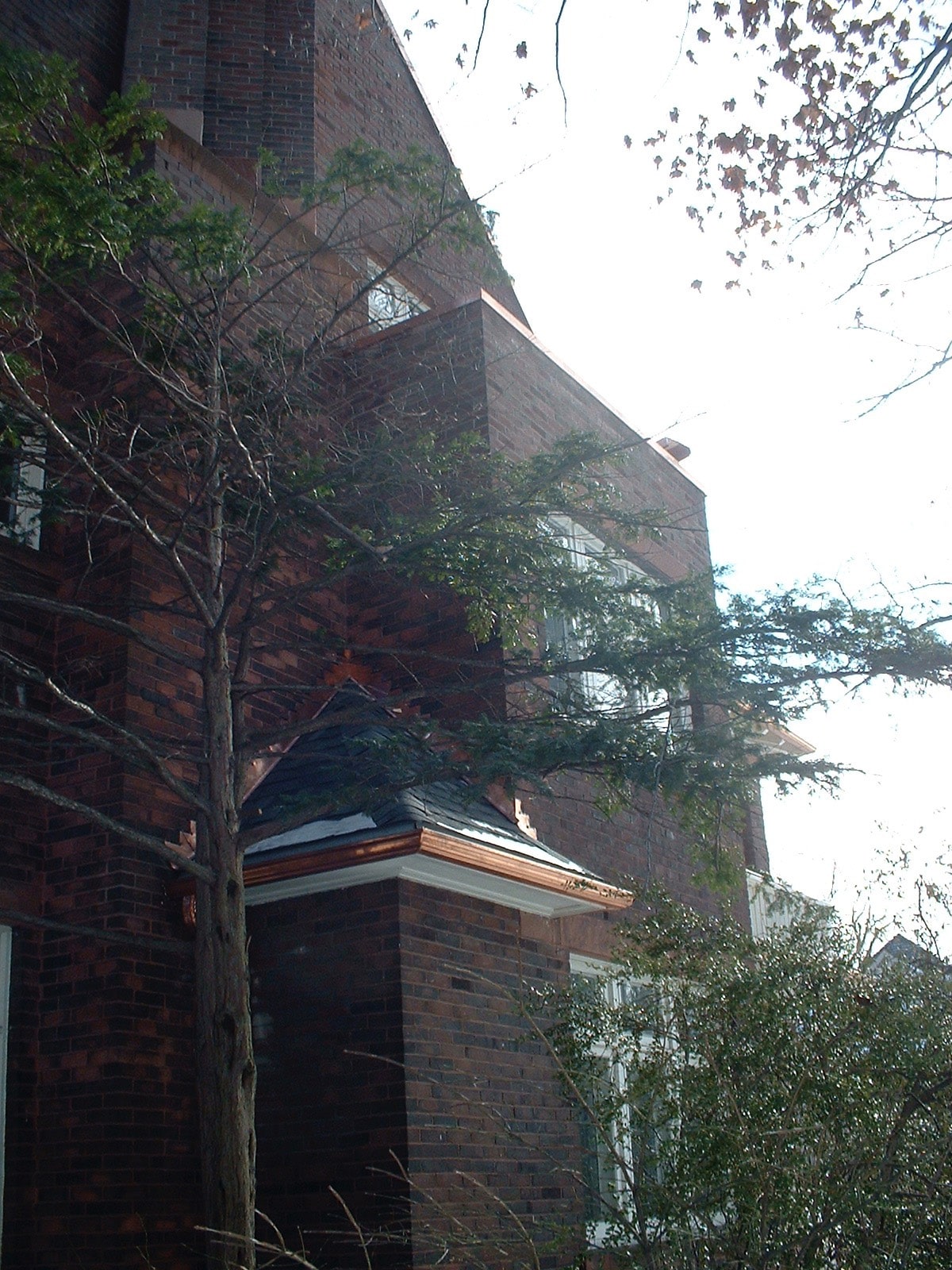
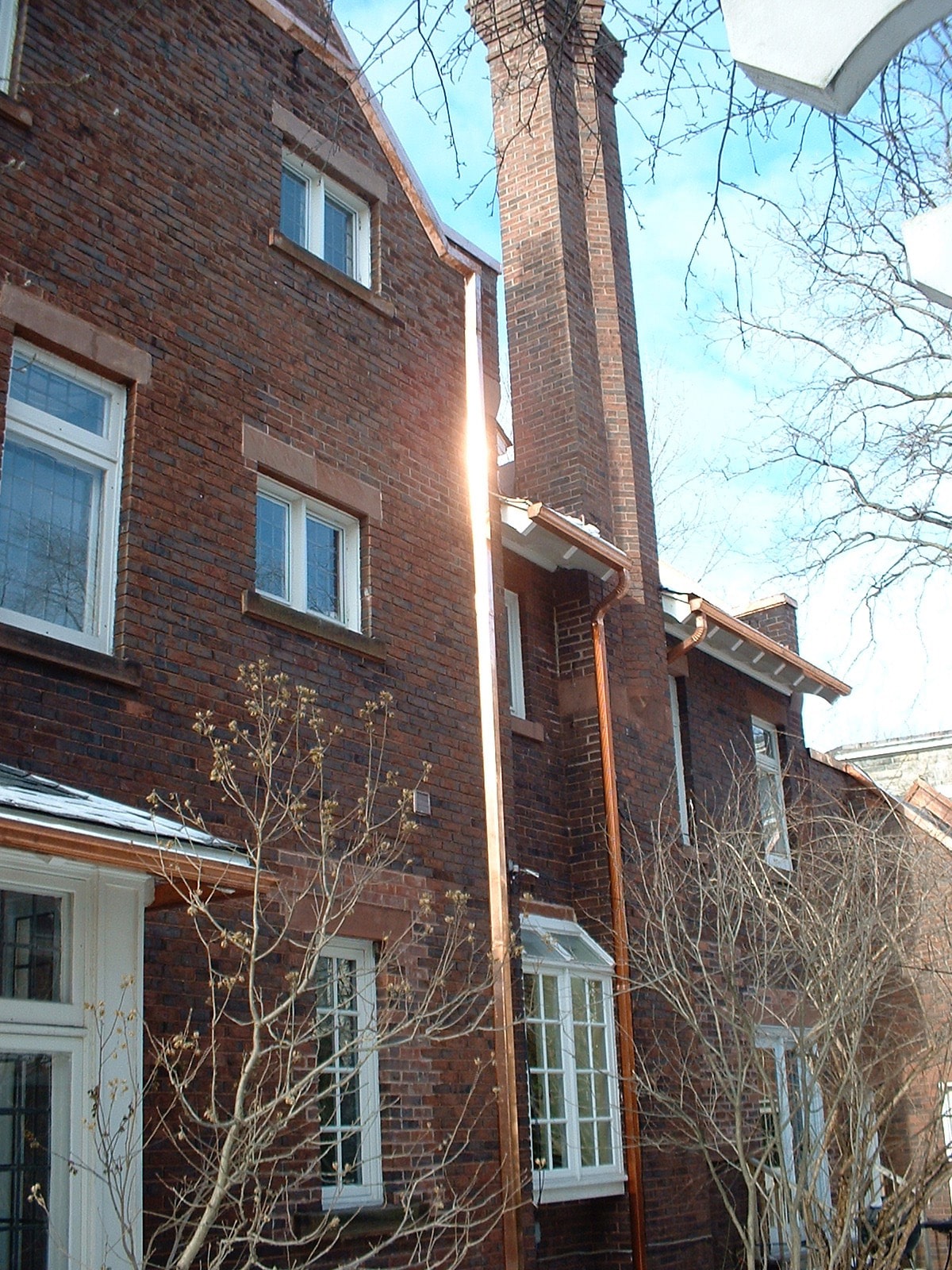
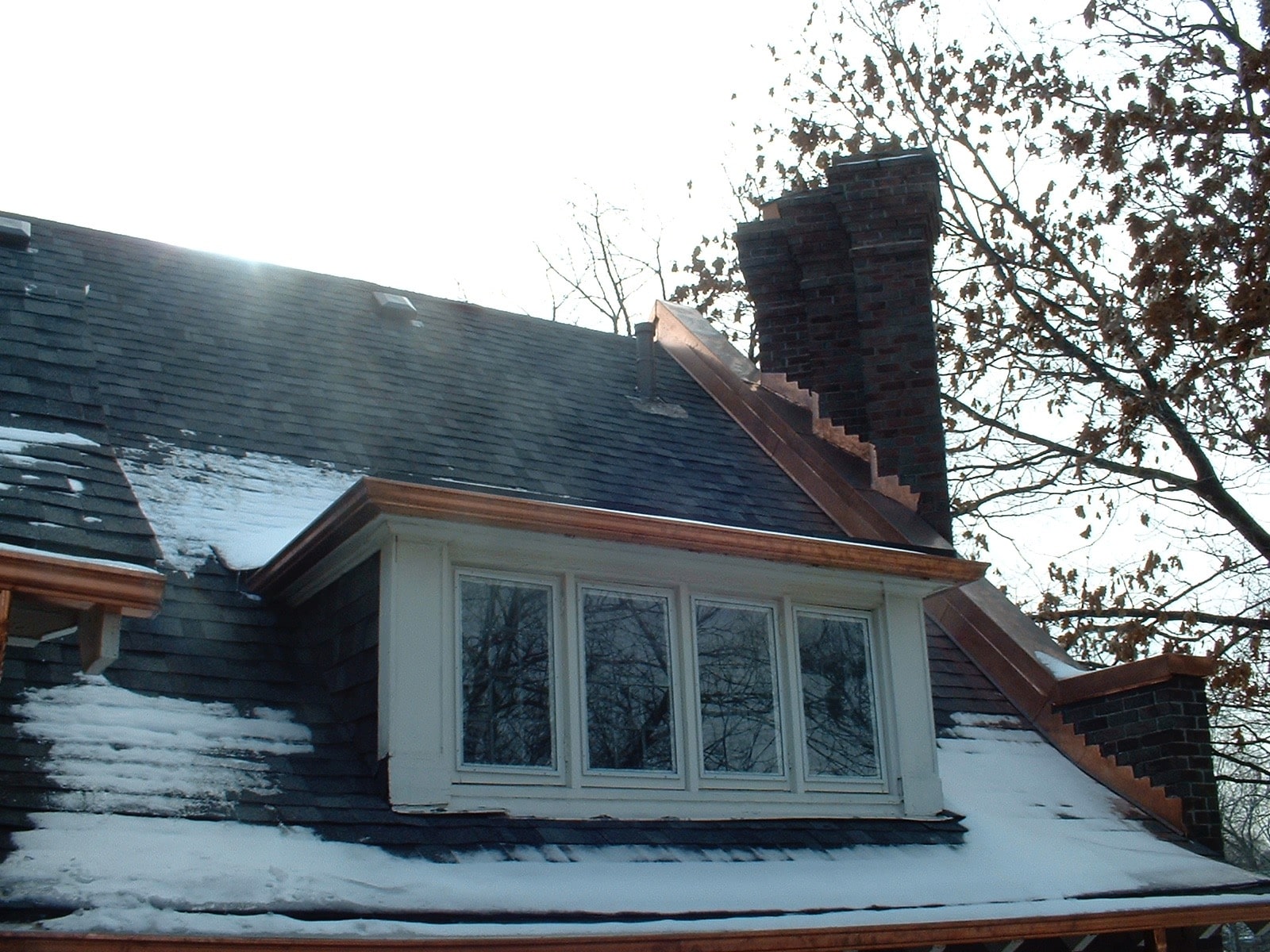
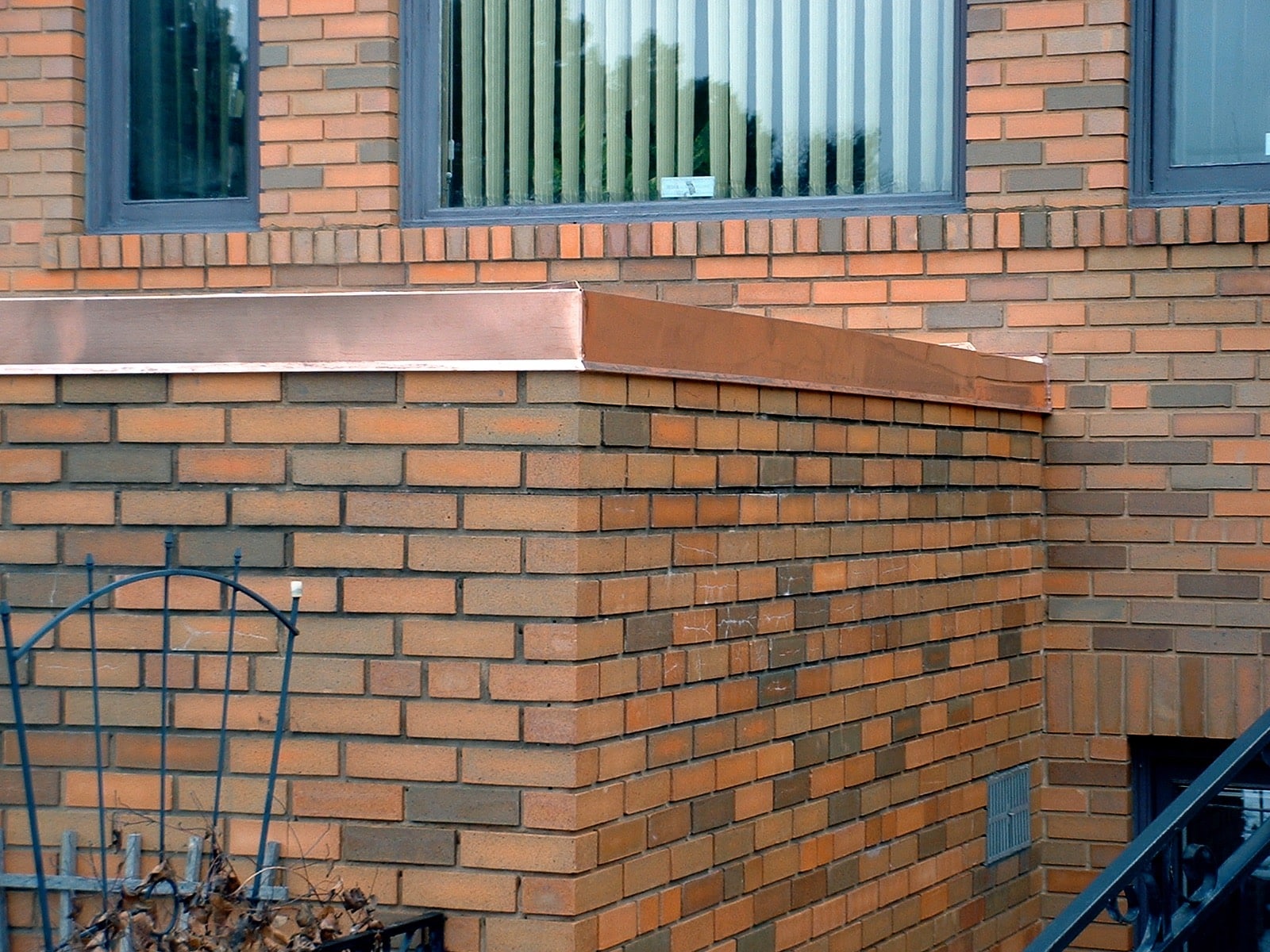
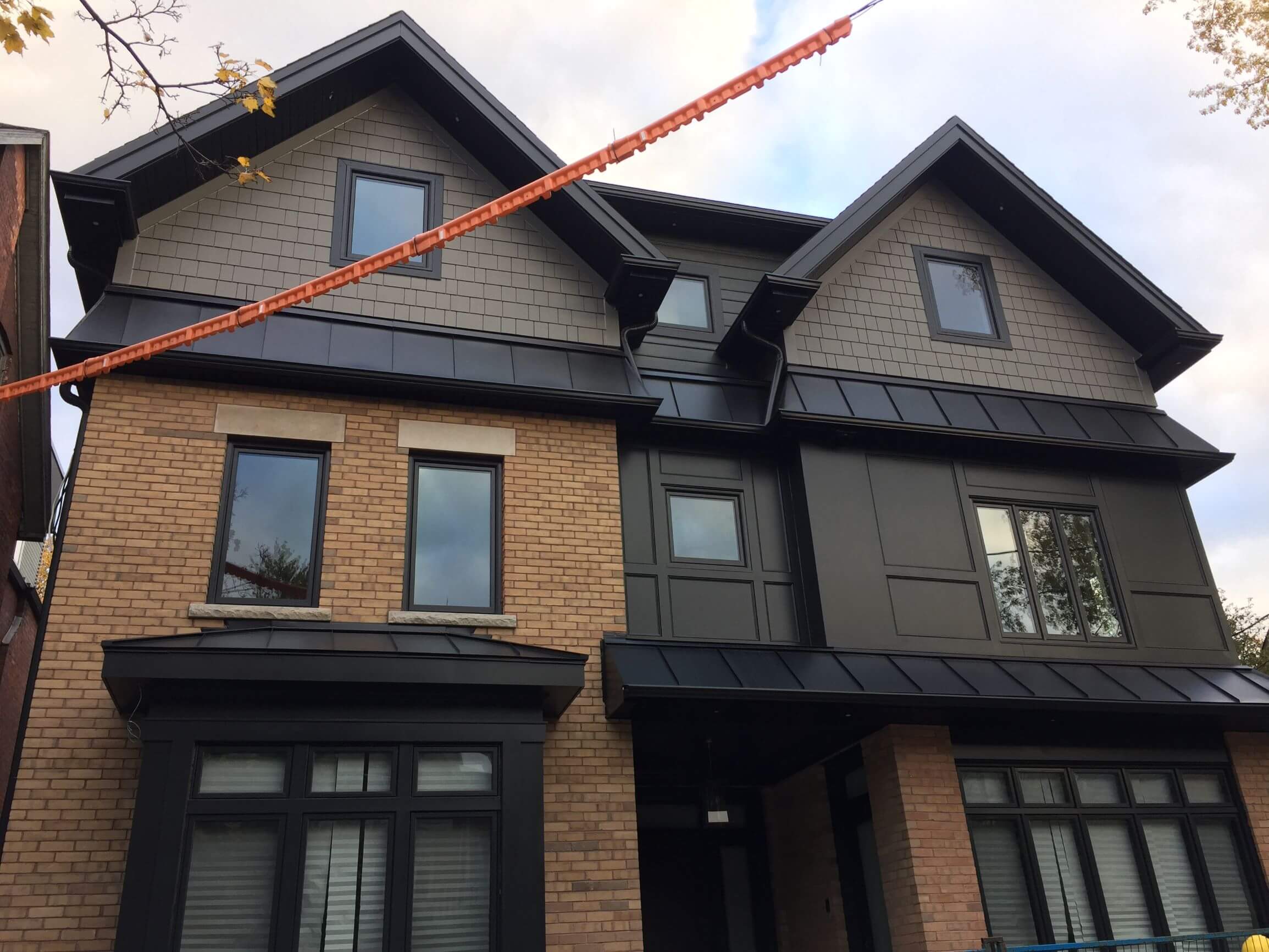
Common exterior metalwork designs and styles include parapet and cap flashing, which provide durable and aesthetically pleasing solutions for residential properties.
What is the role of an EM contractor in project management?
The role of an EM contractor in project management is to oversee the metalwork and exterior carpentry aspects of a residential construction or renovation project, ensuring quality craftsmanship and timely delivery of durable solutions.
What are some common mistakes in exterior carpentry to avoid?
Common mistakes in exterior carpentry to avoid include improper installation, using low-quality materials, neglecting maintenance, and failing to consider weather conditions. Proper planning, attention to detail, and regular upkeep are crucial for durable and aesthetically pleasing exterior carpentry work.
How do I properly seal exterior wood joints to prevent rot?
Properly sealing exterior wood joints to prevent rot involves using a high-quality sealant or caulk, ensuring the joints are clean and dry, and regularly inspecting and reapplying the sealant as needed to maintain a weatherproof barrier.
Can you mix wood and metal in exterior carpentry?
Mixing wood and metal in exterior carpentry is a common practice that can enhance the overall aesthetic and functionality of a project. By strategically incorporating both materials, you can create durable and visually appealing solutions for residential properties.
What tools are necessary for exterior metalwork projects?
The necessary tools for exterior metalwork projects typically include a metal saw, angle grinder, drill, sheet metal brake, and crimping pliers to effectively cut, shape, and install metal components like parapet and cap flashing.
What are the advantages of metal exterior carpentry?
The advantages of metal exterior carpentry include enhanced durability, weather resistance, and low maintenance requirements, making it a reliable and long-lasting solution for residential properties.
What services do EM contractors typically offer to clients?
E&M Contractors offer a range of exterior carpentry services, with a specialization in metalwork such as parapet and cap flashing, providing high-quality craftsmanship and durable solutions for residential metalwork needs in Toronto.
What types of metal are used in exterior carpentry?
The types of metal commonly used in exterior carpentry include aluminum, galvanized steel, and stainless steel, which are chosen for their durability, weather resistance, and aesthetic appeal in outdoor applications.
What exterior metalwork enhances curb appeal?
Exterior metalwork such as parapet and cap flashing can significantly enhance the curb appeal of a residential property by adding visual interest, defining architectural features, and providing a polished, cohesive look to the home's exterior.
How can metalwork improve structural integrity?
Metalwork can improve structural integrity by providing reinforcement and stability to building structures, especially in areas like roofs, walls, and foundations. Metalwork elements like flashing, parapet caps, and metal framing can enhance the overall durability and longevity of a structure.
What styles suit modern exterior carpentry?
Modern exterior carpentry often suits contemporary and minimalist styles, incorporating clean lines, metal accents, and a focus on functional aesthetics to complement the building's overall design.
Which metals are best for outdoor projects?
Durable metals such as stainless steel, aluminum, and galvanized steel are ideal for outdoor projects as they can withstand exposure to the elements and provide long-lasting performance.
How to select metal for carpentry projects?
Selecting the appropriate metal for carpentry projects involves considering factors like durability, corrosion resistance, and aesthetic appeal to ensure the desired functionality and visual appeal for the project.
What are trends in exterior carpentry today?
Trends in exterior carpentry today focus on enhancing the aesthetic and functional aspects of residential properties, with an emphasis on durable metalwork solutions like parapet and cap flashing.
How do I maintain metal exterior installations?
Maintaining metal exterior installations involves regular inspection, cleaning, and protective treatments to prevent corrosion and ensure long-lasting performance. This includes removing debris, applying rust-inhibiting coatings, and addressing any damage or weathering promptly.
What finishes are best for exterior metalwork?
The best finishes for exterior metalwork include galvanized steel, powder coating, and stainless steel, as they offer superior corrosion resistance and durability in outdoor environments.
How does weather impact exterior carpentry durability?
Weather significantly impacts the durability of exterior carpentry, as exposure to elements like rain, snow, and temperature fluctuations can cause wear and tear on materials over time, necessitating careful material selection and proper installation techniques.
What are the benefits of metal versus wood?
The benefits of metal versus wood for exterior construction include greater durability, resistance to weather and pests, and lower maintenance requirements, making it a more durable and long-lasting choice for residential metalwork projects.
How can metal designs optimize space usage?
Metal designs can optimize space usage by offering compact, versatile, and customizable solutions that maximize functionality within limited areas, such as incorporating sleek metalwork elements like parapet and cap flashing into residential exteriors.
What safety measures are crucial for metalwork?
Crucial safety measures for metalwork include proper protective equipment, well-ventilated work areas, secure workstations, and following industry-standard safety protocols to mitigate risks and ensure a safe working environment.
Which tools simplify metalworking tasks?
Tools that simplify metalworking tasks include power tools like angle grinders, jigsaws, and metal shears, which help cut, shape, and finish metal pieces with greater precision and efficiency.
How to create custom metalwork designs?
Creating custom metalwork designs involves working closely with the metalwork professionals at E&M Contractors. They can collaborate with you to develop unique and personalized metalwork solutions that meet your specific aesthetic and functional requirements for your residential property.
What coatings protect exterior metal from rust?
Exterior metal can be protected from rust through the use of various coatings, including galvanization, powder coating, and paint. These coatings act as a barrier, preventing moisture and oxygen from reaching the metal surface and causing corrosion.
What is the lifespan of metal exterior features?
The lifespan of metal exterior features can vary widely, typically ranging from 20 to 50 years depending on the material, installation, and maintenance. Properly installed and maintained metal components can provide long-lasting protection and aesthetic appeal for residential properties.
Which wood types best complement metalwork?
The wood types that best complement metalwork are often hardwoods such as oak, maple, and cedar, as their strong and durable characteristics pair well with the clean, modern aesthetic of metal accents.
How to troubleshoot issues in exterior carpentry?
Troubleshooting exterior carpentry issues involves identifying the problem, such as loose or damaged components, and addressing them through proper repair techniques like fastening, sealing, or replacing the affected parts.
What are cost-effective exterior metal choices?
Cost-effective exterior metal choices include aluminum, galvanized steel, and stainless steel, which offer durability, weather resistance, and low maintenance at a reasonable price point for residential metalwork projects.
How to integrate lighting with exterior metalwork?
Integrating lighting with exterior metalwork involves carefully planning the placement and type of lighting fixtures to enhance the aesthetics and functionality of the metalwork, ensuring a cohesive and visually appealing design.
What environmental factors affect metal selection?
Environmental factors that affect metal selection include exposure to weather, temperature, humidity, corrosive elements, and physical stresses. These factors must be considered to ensure the metal chosen is durable and suitable for the application.